

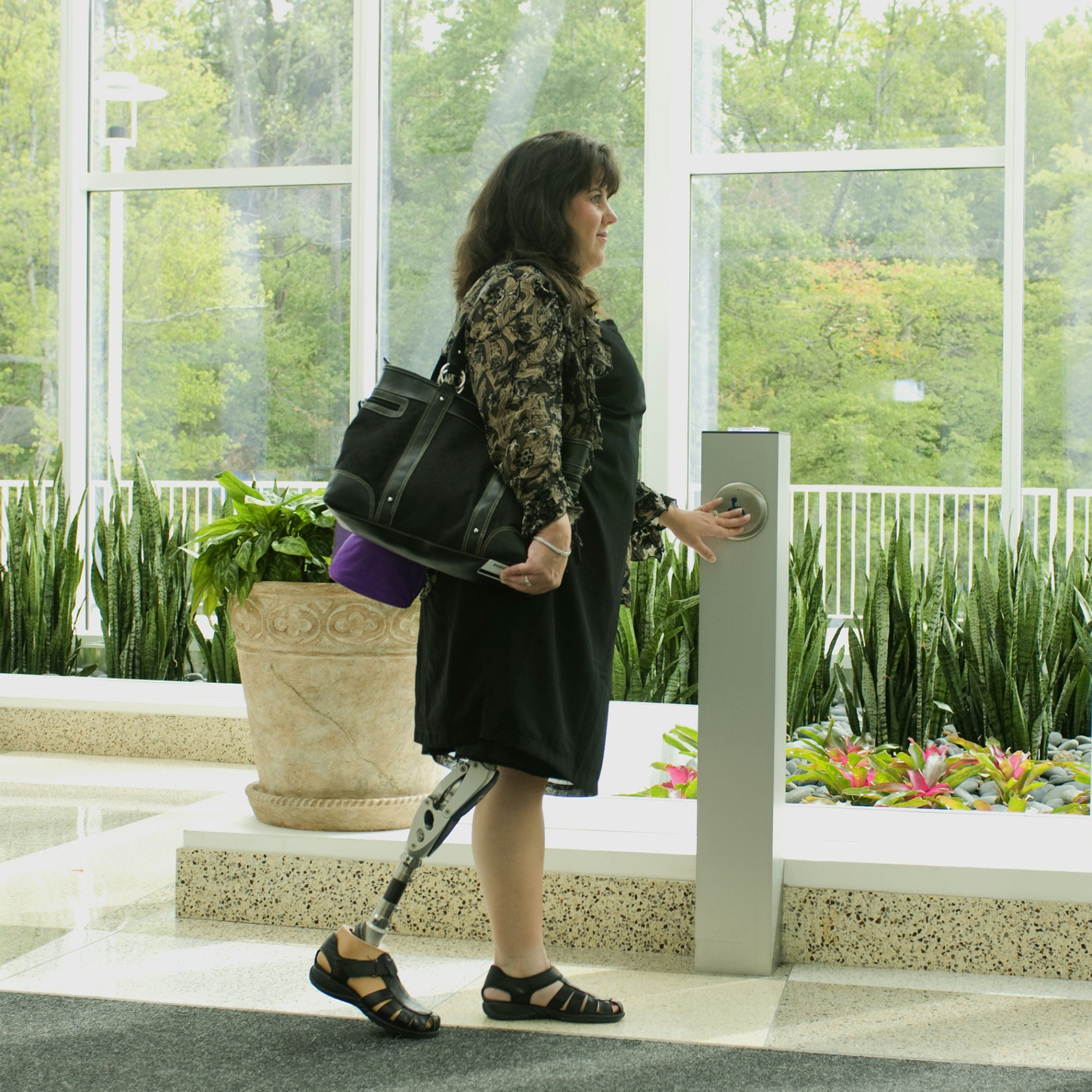




Navigating Life With Disability Therapy in Tampa, Florida
“It is our culture that disables. When one is disabled, the problem is not really that they have impairments and social skill deficits. The issue at stake is that they live in an ‘ableist’ culture that rarely affords them the space or opportunity to make their unique contribution to society and does not lift up the value of choosing them as friends.” – Ben Conner
Are you or is someone you know having problems related to disability? You may be adjusting to recent changes after an injury or medical condition, and the transition may be difficult. You may have lived with disability for a long time and reached a point where the stress feels overwhelming and additional support would be helpful. You might be experiencing discrimination or unfair treatment that limits your ability to fully participate in life. You may also be looking for guidance in advocating for yourself or someone else, navigating social barriers that restrict access to support and opportunities, or seeking care as a caregiver for a person with a disability.
If you need a safe space to talk, process what has happened, understand what you need, and consider what comes next, I’m here to guide you. Please continue reading to learn more about disability-related concerns, my personal and professional experience with disability, and how Sunshine Therapy Solutions can support you through disability therapy in Tampa, Florida.
What Does It Mean to Have a Disability?
According to the Centers for Disease Control and Prevention (2020), “a disability is any condition of the body or mind (impairment) that makes it more difficult for the person with the condition to do certain activities (activity limitation) and interact with the world around them (participation restrictions).” The Americans with Disabilities Act (ADA, 2023), defines disability as a “physical or mental impairment that substantially limits one or more major life activities, a person who has a history or record of such an impairment, or a person who is perceived by others as having such an impairment.” While the former is a medical definition of disability, the latter is a legal one.
There are many types of disabilities that can affect:
- Thinking
- Remembering
- Learning
- Medical needs
- Physical and movement abilities
- Vision
- Hearing
- Communication
- Mental health
These factors can create significant challenges in daily routines, access, and overall quality of life.
Mental Health Effects of Life with Disability
Living with a disability can influence mental and emotional well-being in many ways. Some of the most common experiences that bring individuals to disability therapy include:
- Stress and anxiety related to accessibility barriers
- Relationship issues, including difficulty disclosing their needs or receiving support due to discrimination
- Medical stress, such as conditions that are hard to diagnose or experiences of being minimized or dismissed by providers
- Fear about the future, possible loss of support, changes in accommodations, changes in insurance coverage, and worries about decline
- Self-esteem issues, especially in a world designed for individuals without disabilities, which can lead people with disabilities to question their self-worth
In addition, discrimination against people with disabilities is common. About 30% of workers with a disability face workplace discrimination (Layne, 2017), and other forms of disability discrimination may be even more common. Some people believe that discrimination against people with disabilities is justified. Others view accommodations for people with disabilities as special rights or a courtesy. The effects of discrimination affect both psychological and physical health (ADA 2019, 2020; CDC, 2020, 2023).
The Effects of Discrimination
The impact of a disability can be magnified or reduced depending on personal and environmental factors; it cannot be fully understood without considering the physical and social environment of the person with a disability. Many people with a disability encounter discrimination, yet responses vary based on personal history, resources, and support.
Individuals with a disability interpret their circumstances through the lens of their impairment, support system, life demands, and personal situation. Like anyone else, their identity is shaped by culture, family background, community, religion, education, employment, friends, significant others, and co-workers. They are also influenced by broader forces such as government policy, available programs, and related funding.
Beyond the disability itself, individuals have unique characteristics, histories, intersecting identities, and life circumstances that affect their psychological needs and overall well-being (APA, 2022; CDC, 2020). These factors interact with broader barriers people with disabilities face, creating additional hardship.
Barriers Faced by Persons with Disabilities
Many people with disabilities encounter barriers in multiple areas of life. These barriers include:
- Attitudinal barriers – Stereotypes, stigma, discrimination at school or work, and dismissive attitudes toward the rights of people with disabilities
- Communication barriers – Inaccessible formats or methods of communication, such as environments that do not accommodate people who are Deaf or hard of hearing
- Physical barriers – Impediments to mobility
- Transportation barriers – Inaccessibility related to mobility or vision impairment
- Policy barriers – The absence of or lack of adherence to laws and regulations
- Program barriers – Limited availability of needed services, including health care
- Social barriers – Unequal access to employment opportunities and leisure activities (CDC, 2020; Balva & Tapia-Fuselier, 2020).
It is important to know that having a disability does not determine your potential, identity, or capabilities, and disability therapy can provide compassionate support.
Disability as the Largest Minority Group
What may surprise you is that persons with a disability comprise the largest minority group. Approximately 60% of Americans have a chronic illness, and 42% have two or more chronic conditions. About one in four, or 61 million American adults, have an impairment of some kind, and most of us will have one at some point in our lifetime, temporarily or permanently (CDC, 2020, 2023). It is also the most diverse minority group, as anyone can have a disability, and two people with the same disability may have very different needs.
Even though persons with a disability comprise the largest and most diverse minority group, society is designed for people without disabilities. As a result, individuals with disabilities have historically been underrepresented and underserved in our society. This extends to the mental health profession, where training on disability is often limited. The lack of preparation counselors and therapists receive on disability-related issues is notable, especially since mental health professionals strive to provide equal, accessible, and competent services to all populations (APA, 2022).
The Long-Term Effects of Societal Influences
The lack of representation for persons with disabilities is largely shaped by societal influences. From a very young age, children with disabilities are told that they are different from others. Because many professions still emphasize a medical model, these messages can lead children to believe they are “broken” or require “fixing.” This deficit-oriented mindset can influence how they view themselves, others, and the world, with effects that may extend well into adulthood. If the families of these children also have an inadequate understanding or skewed perception of disability, the negative impact of these messages can be reinforced and contribute to ongoing oppression.
Challenges related to disability may be less about the impairment itself and more about the social experiences that surround it. Some disabilities are visible and can lead to stigma and social barriers in addition to the impairment. Others are not apparent, such as certain hearing, visual, cognitive, or mental health conditions, and may lead to misunderstandings, inaccurate assumptions, or negative judgments.
Invisible Disabilities and Their Impact
An estimated 10% of persons with a disability have an invisible disability, and some individuals choose not to disclose their impairment due to fear of discrimination. However, not disclosing may limit access to accommodations that could help them function more effectively. As discussed above, social challenges create additional barriers and can negatively affect school and work performance, social functioning, and overall life satisfaction (Balva & Tapia-Fuselier, 2020).
Reasons for Disability-Based Stigma
Several factors contribute to disability-based stigma, many of which arise from social learning, cultural influences, and limited exposure to disability. These factors include:
- Values, beliefs, family background, faith, education, and social media influences
- Perceptions of physical attractiveness
- Tendency to be drawn to people who seem similar
- Internalized biases
- Lack of knowledge and misunderstanding about disabilities
Recognizing these influences is an important part of addressing stigma, and disability therapy can help individuals process their impact and develop tools for navigating challenges.
How a Disability Therapist in Tampa, FL, Can Help
As a person with congenital visual impairment, legally blind since birth, I have encountered many of the barriers and challenges described above. These barriers, most of which are social in nature, largely influenced my motivation to be a mental health therapist and to dedicate my work to supporting individuals who have disabilities.
My dissertation focused on the obstacles and resiliencies of individuals with congenital visual impairment (Stribling, 2015). In addition to my research, I have worked with a diverse range of clients with various disabilities. Through my personal experience, education, and clinical work, I have a unique understanding of disability-related concerns and can help clients identify their needs, address challenges, and navigate the environmental and social barriers they encounter through disability therapy services.
How Counseling May Help You Navigate Your Disability, Specifically the Social Barriers
As a disability therapist in Tampa, FL, I can offer support for the emotional and social challenges that often accompany disability. Disability therapy may help by:
- Helping you understand the mind-body connection
- Navigating relationship issues related to your disability
- Supporting your connection with loved ones to talk about your experiences
- Promoting an attitude of acceptance and introducing concepts such as neurodiversity
- Helping you identify your needs
- Helping you play up to your strengths and resources
- Supporting you as you advocate for yourself in meaningful ways
- Helping caregivers talk through the complex emotions and demands of caregiving
These areas of support help lay the foundation for exploring therapeutic approaches designed for people with disabilities.
Specific Therapies Shown to Effectively Treat Stress Related to Disability
Several therapeutic approaches to counseling for people with disabilities have been shown to reduce disability-related stress. Disability therapy can support both individuals with disabilities and caregivers by addressing emotional, cognitive, and behavioral challenges:
Acceptance and Commitment Therapy
Acceptance and commitment therapy (ACT) in Florida is a mindfulness-based approach that helps you stay in the present moment, treat thoughts and feelings with compassion, and focus on what you can influence. ACT encourages a more balanced perspective and supports committing to valued actions, allowing you to direct your energy toward moving forward, reducing disability-related stress, navigating barriers, and advocating for your needs.
Cognitive Behavioral Therapy
Cognitive behavioral therapy (CBT) in Florida is an approach to counseling based on the idea that thoughts, feelings, and actions interact to create stress. In CBT, you learn to recognize and adjust unhelpful thoughts and modify behaviors that intensify stress. CBT interventions for disability-related stress management may include:
- Education on stress, specifically stress related to the challenges of a disability
- Cognitive restructuring and challenging unhelpful thoughts or internalized biases
- Relaxation and self-regulation skills (like breathing techniques, progressive muscle relaxation, and guided imagery)
- Assertiveness and advocacy training
- Problem-solving skills related to environmental and, specifically, social barriers
A combination of these interventions may help you cope with disability-related challenges, whether you are a person with a disability or a caregiver.
Mindfulness Therapy
Mindfulness therapy, also called mindfulness-based therapy or mindfulness-based interventions, like many therapies, can be used alone or with other therapies as a holistic approach to improve stress coping. Through mindfulness-based therapy in Florida, you learn:
- To be more present
- To be more aware of your internal experiences
- To practice self-compassion
- To separate from thoughts and emotions that intensify stress
These positive shifts can support individuals with disability-related concerns as they navigate environmental barriers and work toward improved social functioning and life satisfaction.
Solution-Focused Brief Therapy
Solution-focused brief therapy (SFBT), or solution-focused therapy (SFT), is a widely used treatment for effectively navigating life’s challenges, including those related to disability. It is an inclusive, collaborative, strength-based, and present- and future-oriented approach. In SFBT, you:
- Clearly identify your therapy goals
- Explore exceptions, coping strategies, or solutions to problems
- Build on strengths and resources you already have
- Move forward one step at a time
Solution-focused brief therapy in Florida can be especially helpful for disability-related stress, offering a path toward creating changes that support your overall well-being.
Stigma-Free, Affirming, Affordable Disability Therapy for Individuals and Their Caregivers
If you’re interested in disability therapy in Tampa, FL, Sunshine Therapy Solutions can help. Together, we’ll personalize our sessions to best meet your individual counseling needs. We’ll identify your goals, explore and build on your strengths and resources, and learn new strategies to help you cope with the stress of your disability-related challenges. Reach out today for a free consultation, and let’s get connected online. For additional information about my convenient and confidential online services, learn more about online therapy in Florida.
References
American Psychological Association (2022, April). Guidelines for assessment and intervention with persons with disabilities. APA.org. https://www.apa.org/pi/disability/resources/assessment-disabilities
Americans with Disabilities Act (2020, February 28). Guide to disability rights laws. ADA.gov: U.S. Department of Justice Civil Rights Division. https://www.ada.gov/resources/disability-rights-guide/
Americans with Disabilities Act (2023, March). What is the definition of disability under the ADA? National Network: Information, Guidelines, and Training on the Americans with Disabilities Act. https://adata.org/faq/what-definition-disability-under-ada
Balva, D., & Tapia-Fuselier, J. (2020). Working with clients with disabilities: Implications for Psychotherapists. Psychotherapy Bulletin, 55(1), 19-22. Retrieved March 5, 2023, from https://societyforpsychotherapy.org/working-with-clients-with-disabilities/
Centers for Disease Control and Prevention (2020, September 16). Common barriers to participation experienced by people with disabilities. Disability and Health Promotions. https://www.cdc.gov/ncbddd/disabilityandhealth/disability-barriers.html
Centers for Disease Control and Prevention (2020, September 16). Disability and health overview. Disability and Health Promotions.
https://www.cdc.gov/ncbddd/disabilityandhealth/disability.html
Centers for Disease Control and Prevention (2023, January 5). Disability impacts all of us. Disability and Health Promotions.
https://www.cdc.gov/ncbddd/disabilityandhealth/infographic-disability-impacts-all.html
Centers for Disease Control and Prevention (2020, November 30). The mental health of people with disabilities. Disability and Health Promotions.
https://www.cdc.gov/ncbddd/disabilityandhealth/features/mental-health-for-all.html
Layne, Rachel (2017, October 16). The hidden cost of disability discrimination. Money Watch. https://www.cbsnews.com/news/the-hidden-cost-of-disability-discrimination/
Parker Harris, S., Gould, R., and Mullin, C. (2019). ADA research brief: Experiences of discrimination and the ADA (pp. 1-6). Chicago, IL: ADA National Network Knowledge Translation Center. Retrieved March 5, 2023, from https://adata.org/research_brief/experience-discrimination-and-ada
Stribling, M. E. (2015). Resilience and disability: A grounded theory study of the experience of individuals with a congenital visual impairment (Publication No.10791644) [Doctoral dissertation, Our Lady of the Lake University]. ProQuest. https://www.proquest.com/openview/5efe4cf12de7323b6e2bf05c1bb2f0cb/1?pq-origsite=gscholar&cbl=18750.